

Views: 0 Author: Site Editor Publish Time: 2026-07-11 Origin: Site


Storing frozen vaccines carries extremely high clinical stakes. Facilities managing sensitive formulas like Varicella or MMRV face immense daily pressure. A single temperature excursion compromises vaccine efficacy instantly. When cold chains break, you lose highly valuable inventory. Clinics also risk immediate suspension from major public health initiatives like the Vaccines for Children (VFC) program. These sudden operational penalties can easily devastate medical practices.
This guide provides a completely evidence-based framework for evaluating purpose-built cold storage. You will learn exactly how to select equipment matching the most strict public health guidelines. We will explore essential hardware features, vital compliance standards, and proactive risk mitigation strategies. Ultimately, you will discover how to protect your sensitive inventory reliably. Proper equipment selection transforms a daunting compliance hurdle into a streamlined daily workflow.
Compliance is non-negotiable: Household and dorm-style freezers do not meet CDC or VFC requirements due to unpredictable temperature cycling.
Precision matters: A true biomedical freezer utilizes microprocessor controls and fan-forced air for rapid temperature recovery after door openings.
Monitoring is mandatory: Integrated or compatible Digital Data Loggers (DDLs) with buffered probes are essential for continuous temperature verification.
Configuration dictates performance: Standalone units generally offer superior temperature stability compared to a shared-compressor vaccine refrigerator and freezer.
Consumer-grade appliances present severe hidden dangers. Many clinics mistakenly use them hoping to optimize their initial setup. However, these standard units rely heavily on cold wall technology. Cooling elements reside directly inside the interior cabinet walls. This rudimentary design inevitably creates uneven temperature distribution across the shelves.
You will frequently find freezing cold spots near the back wall. Warm zones form rapidly near the front and around the door seal. Standard freezers simply cannot maintain the tight tolerances required by sensitive immunizations. The compressor cycles on and off unpredictably. This cycling creates dramatic internal temperature swings.
Public health authorities recognize these severe hardware limitations perfectly. The CDC strictly outlines acceptable storage solutions for medical facilities. They explicitly prohibit dorm-style and standard household units for vaccine storage. The VFC program enforces these identical rules globally. If inspectors find household equipment during a site visit, they will fail your clinic immediately. You cannot afford this regulatory failure.
Non-compliance introduces massive clinical liabilities. When temperatures fluctuate dangerously, your inventory spoils rapidly. Replacing ruined doses damages your operational resources significantly. Furthermore, compromised efficacy leads to a logistical nightmare: patient revaccination. Recalling patients destroys community trust. It also burdens your clinical staff with unnecessary administrative work. Investing in proper equipment prevents these catastrophic scenarios entirely.
Erratic compressor cycling creates unpredictable internal environments.
Glass shelves block vertical airflow between different storage levels.
Weak door seals allow ambient room air to seep inside continuously.
Manual defrost cycles in consumer models cause dangerous temperature spikes.
Choosing the correct hardware configuration impacts your daily clinical operations. You must decide between dedicated units and combined storage setups. Each option requires careful evaluation against your specific floor plan.
Standalone units offer distinct operational advantages. They feature dedicated compressors handling only one specific temperature zone. This engineering ensures superior temperature stability year-round. You face zero risk of freezing temperatures bleeding into a separate refrigeration compartment. Many public health experts strongly recommend these dedicated systems for high-volume sites. A standalone vaccine freezer provides unmatched reliability. However, they do present minor physical drawbacks. Standalone units require more floor space. You must also provide a separate dedicated electrical outlet to ensure steady power delivery.
Alternatively, combination units appeal heavily to smaller clinics. A properly engineered vaccine refrigerator and freezer saves valuable clinical space. Yet, you must evaluate them rigorously before any procurement. Acceptable combination models must meet highly specific criteria. They need completely separate exterior doors. They must feature separate digital thermostats for each compartment. Most importantly, they require independent compressors for both the fridge and the freezer sections.
You must absolutely avoid shared-compressor commercial units. In these flawed designs, cold air flows from the freezer to chill the refrigerator section. Adjusting the freezer temperature immediately compromises the refrigerator's overall stability. Shared-compressor models violate CDC guidelines directly. They put your entire dual-temperature inventory at severe risk.
Always verify dual-compressor status on combination specification sheets.
Never plug combination units into power strips or shared wall outlets.
Maintain dedicated clearance zones around combination unit exhaust vents.
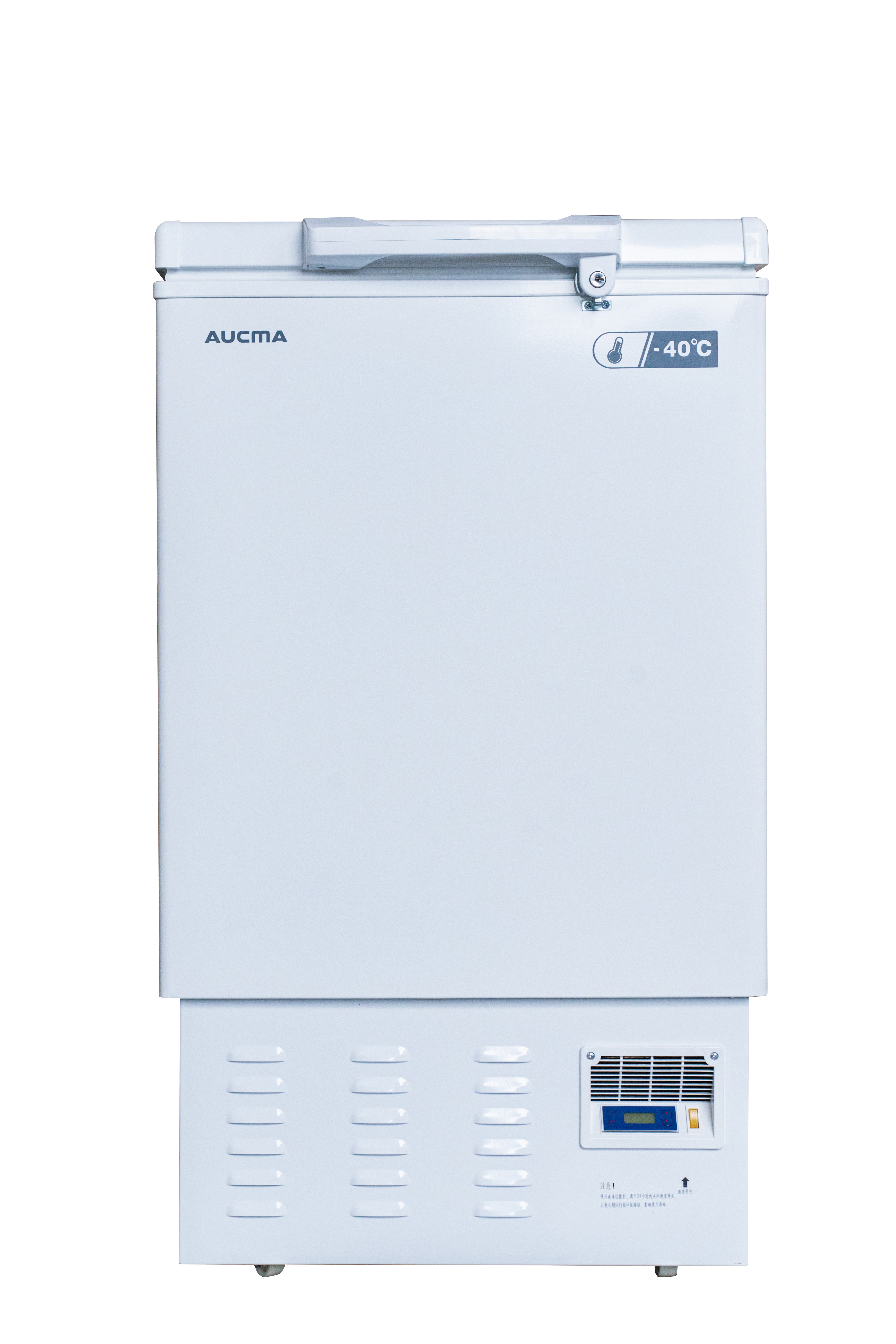
Evaluating hardware requires understanding precise medical specifications deeply. A true biomedical freezer differs significantly from any standard catering appliance. You must scrutinize the internal engineering closely.
First, consider microprocessor temperature control. Analog dials prove completely insufficient for clinical applications today. They lack accuracy and drift significantly over time. You need precise digital set-points. Immunizations require specific ranges, typically between -50.0°C and -15.0°C depending on the formula. Microprocessors maintain these targets flawlessly. They adjust compressor output dynamically based on real-time sensor data.
Next, evaluate temperature uniformity and recovery. Fan-forced air circulation represents a critical feature. It eliminates dangerous micro-climates inside the storage cabinet. The fan distributes cold air evenly across every single shelf. Furthermore, rapid temperature recovery metrics matter deeply. Busy clinic hours mean frequent door openings. Fan-forced systems pull temperatures back into range rapidly once the door closes.
Physical security features complete the external evaluation. Factory-installed locks restrict unauthorized access effectively. Sturdy hinges and solid doors prevent accidental door-ajar incidents. Secure doors guarantee your cold chain remains completely unbroken overnight.
Defrost technology also demands your careful consideration. Manual defrost models offer slightly better long-term temperature stability. However, they require planned operational downtime. You must transfer inventory to a secondary storage unit while melting the ice manually. Auto-defrost models provide much greater convenience. They save staff time and physical effort. Yet, buyers must verify the defrost cycle design. Ensure the cycle never causes internal temperatures to spike above the recommended upper limit.
Defrost Type | Primary Advantage | Operational Consideration | Best Use Case |
|---|---|---|---|
Manual Defrost | Maximum temperature stability without automated heating cycles. | Requires secondary storage unit during the defrosting process. | Clinics prioritizing absolute temperature consistency. |
Auto-Defrost | Eliminates manual labor and prevents thick ice buildup automatically. | Must verify internal temperatures remain within acceptable limits during cycles. | High-traffic facilities needing low-maintenance equipment. |
Even the most advanced hardware requires continuous oversight. Hardware alone cannot guarantee compliance. Dedicated temperature monitoring guarantees viability around the clock.
Digital Data Logger (DDL) compatibility acts as a primary requirement. Your appliance must feature dedicated probe access ports. Running DDL cables directly through the main door seal ruins the magnetic gasket. It lets warm ambient air seep inside constantly. Dedicated ports allow clean, secure sensor routing through the cabinet wall. This preserves the internal seal completely.
Additionally, you must utilize buffered temperature probes. Placing a bare sensor in the cabinet only measures ambient air. Air temperatures fluctuate rapidly during routine door openings. Buffered probes sit directly immersed in liquid glycol or tiny glass beads. They measure simulated product temperatures accurately. This prevents annoying false alarms during brief door openings while protecting the actual inventory.
Audible and visual alarms provide immediate physical alerts to your staff. The appliance must sound local alarms for any out-of-range temperatures. It should also alert staff to power failures and accidentally ajar doors. Immediate local alerts prevent minor mistakes from becoming major inventory losses.
Beyond local alerts, remote alarm contacts prove highly valuable. These dry contacts integrate directly into facility-wide building management systems (BMS). They can also trigger modern cloud-based smartphone alerts. Remote monitoring alerts you to weekend power failures long before Monday morning arrives. You can dispatch emergency staff immediately.
Purchasing the equipment only solves half the puzzle. Proper operational implementation secures your long-term clinical success. You must plan for the worst possible scenarios actively.
Power outages threaten cold chains constantly. You must assess the appliance's holdover time accurately. Holdover time indicates exactly how long the cabinet stays cold without active power. High-quality cabinet insulation buys your staff critical hours during grid failures. Establish strict backup power protocols immediately. Connect critical storage to generator-backed outlets whenever possible. Ensure the generator activates automatically during a blackout.
Space and ventilation requirements dictate installation success. Compressors generate significant heat during normal operation. You must ensure adequate physical clearance around the unit. Blocking ventilation pathways leads to severe overheating rapidly. Overheating triggers premature compressor failure and sudden temperature spikes inside the cabinet. Follow the manufacturer clearance guidelines strictly. Never push the unit flush against a back wall.
Finally, establish robust Standard Operating Procedures (SOPs). Clear clinic protocols prevent panic during unexpected emergencies. Staff must know exactly what to do when an alarm sounds.
Quarantine exposed inventory immediately inside the original storage unit.
Mark the compromised stock clearly to prevent accidental administration to patients.
Do not discard the vials immediately after noticing a temperature excursion.
Download the complete DDL data report for precise timeline analysis.
Contact the manufacturer or your local public health department for final viability guidance.
Selecting the final model demands a structured, methodical approach. Avoid impulsive decisions based solely on aesthetics or immediate availability. You need a systematic review process.
Begin by assessing your exact capacity needs. Calculate your current maximum inventory carefully. Remember to include peak flu season surges in your mathematics. Once you determine this volume, add a 20-30% buffer space. Overpacking a cabinet severely restricts internal airflow. Blocked airflow creates warm pockets and spoils inventory quickly. You need empty space for the fan-forced air to circulate properly.
Next, rigorously verify all compliance documentation. Reputable manufacturers provide Certificates of Calibration directly out of the box. These certificates must comply with strict ISO 17025 standards. The product documentation should explicitly state full CDC and VFC compliance. Do not accept vague marketing promises from generic appliance brands. Demand written verification from the manufacturer.
Lastly, evaluate the system's overall lifecycle reliability. Look closely at the expected lifespan of the cooling compressor. Check the energy efficiency ratings to ensure sustainable daily operation. Examine the warranty coverage details carefully. A strong warranty should cover both parts and compressor labor for multiple years. Comprehensive warranties indicate true manufacturer confidence. They protect your clinical infrastructure heavily over time.
Selecting the right unit balances strict public health compliance, temperature precision, and daily clinic workflow. You must prioritize essential features like fan-forced air and digital microprocessor controls. Avoid household units entirely to protect your patients effectively.
Investing in a purpose-built solution represents a highly proactive risk management strategy. It is never just a simple hardware purchase. Proper equipment safeguards your community health and your professional reputation simultaneously.
Take action today to secure your medical cold chain. We encourage procurement managers and clinic directors to consult with dedicated cold chain specialists. Always request detailed specification sheets to verify full VFC compliance before authorizing any purchase. Protect your inventory by making fully informed, standard-compliant choices.
A: No. Adding a digital data logger only records the temperature failures; it does not prevent them. Household freezers use cold wall technology, which creates drastic temperature fluctuations and dangerous cold spots. The CDC and VFC programs explicitly prohibit their use, even if perfectly monitored.
A: Most frozen vaccines, such as Varicella and MMRV, require a strict storage temperature range between -50.0°C and -15.0°C (-58.0°F and +5.0°F). Always consult the specific manufacturer's package insert, as some newer formulas may have slightly different requirements.
A: Yes, provided they are purpose-built for medical use. A clinical auto-defrost model manages its defrost cycles carefully to ensure internal temperatures never spike above the required -15.0°C limit. You must verify this specific performance metric before purchasing an auto-defrost unit.
A: Biomedical models feature advanced microprocessor temperature controls, fan-forced air circulation for uniform cooling, and specialized access ports for buffered DDL probes. They are engineered specifically to recover temperatures rapidly after door openings and prevent the micro-climates common in standard commercial units.
A: Digital Data Loggers (DDLs) generally require calibration testing every one to two years. You must ensure the calibration is performed by an ISO 17025 accredited laboratory. Always check your specific state or local VFC program guidelines for exact calibration frequency mandates.


