

Views: 0 Author: Site Editor Publish Time: 2026-06-11 Origin: Site


Purchasing an Oxygen Concentrator represents a critical, life-supporting investment for anyone managing severe respiratory conditions. Its overall longevity and output purity rely heavily on a rigorous, uncompromised maintenance schedule. Patients depend on this vital machinery to breathe comfortably every single day.
Unfortunately, clogged or degraded filters force the internal compressor motor to overwork. This mechanical stress accelerates system wear and risks a dangerous drop in clinical oxygen purity. Accumulated airborne dust can quickly compromise respiratory therapy if you ignore routine upkeep.
This comprehensive guide breaks down the standard operating procedures for maintaining device filters and essential accessories. We clearly differentiate between daily home user tasks and professional clinical servicing requirements. You will learn actionable steps to keep your equipment running safely, efficiently, and flawlessly.
Filter Distinction: Never wash a HEPA filter; only clean external gross particle (sponge) filters.
Drying is Critical: Reinserting a damp filter can push moisture into the machine, causing permanent damage to the highly sensitive sieve beds.
The 10-Hour Rule: Run the unit for at least 10 hours a month (even if unused) to prevent internal lubricants from settling and sieve beds from hardening.
Safety Absolute: Never use alcohol-based cleaners or aerosols near oxygen therapy equipment due to extreme fire hazards.
When you neglect filter maintenance, you risk serious clinical consequences. Restricted airflow directly lowers the percentage of delivered oxygen. Dust accumulation blocks the primary intake vents. The machine struggles to pull in enough ambient air. This starvation reduces the final oxygen yield. You might set the machine to three liters per minute. However, a dirty filter means the actual output purity drops significantly. Patients receive compromised therapy when they need pure oxygen the most.
Motor failure presents another severe equipment risk. Blocked filters increase internal airflow resistance dramatically. The compressor motor must work much harder. It forces air through clogged pathways constantly. This extra effort generates dangerous internal heat. The compressor can overheat quickly during continuous use. Overheating drastically shortens the overall lifespan of the equipment. Motor repairs are complex and highly disruptive to daily routines. You want to avoid these mechanical breakdowns entirely. Keeping the intake clear preserves the motor. It guarantees consistent therapy delivery and protects the patient.
You must know your filter types before you clean anything. Medical devices use specific filtration layers. Each layer serves a unique purpose. Mixing up their maintenance protocols causes immediate machine damage.
Gross particle filters sit on the external housing. They function as the first line of defense. These sponges capture large airborne debris efficiently. They trap pet dander, hair, and typical household dust. You can usually wash and reuse them safely. They protect the delicate internal components from heavy soil.
HEPA filters sit deeper inside the main cabinet. They act as internal bacteria barriers. Their function is highly specialized and delicate. They capture up to 99.97% of microscopic particles. This extreme filtration protects the patient's vulnerable respiratory tract. You must treat them as strictly disposable. Washing them destroys their delicate micro-fiber matrix. Water ruins their essential electrostatic charge. You must replace them when they appear discolored. Professional providers also replace them during scheduled clinical maintenance.
You must also consider Portable Oxygen Concentrator variations. Portable units often utilize specialized filtration technology. They feature proprietary sieve column filters. These specific components require manufacturer-specific replacement intervals. They do not follow standard weekly washing routines. Always consult the portable unit's specific user manual before attempting maintenance.
Filter Type | Primary Function | Location | Maintenance Action |
|---|---|---|---|
Gross Particle Filter | Captures large dust, hair, and dander | External (Rear or Side) | Washable and reusable weekly |
HEPA Filter | Blocks 99.97% of microscopic bacteria | Internal Cabinet | Disposable; replace when dirty |
Portable Sieve Columns | Separates nitrogen from oxygen | Internal (Portable Units) | Replace per manufacturer schedule |
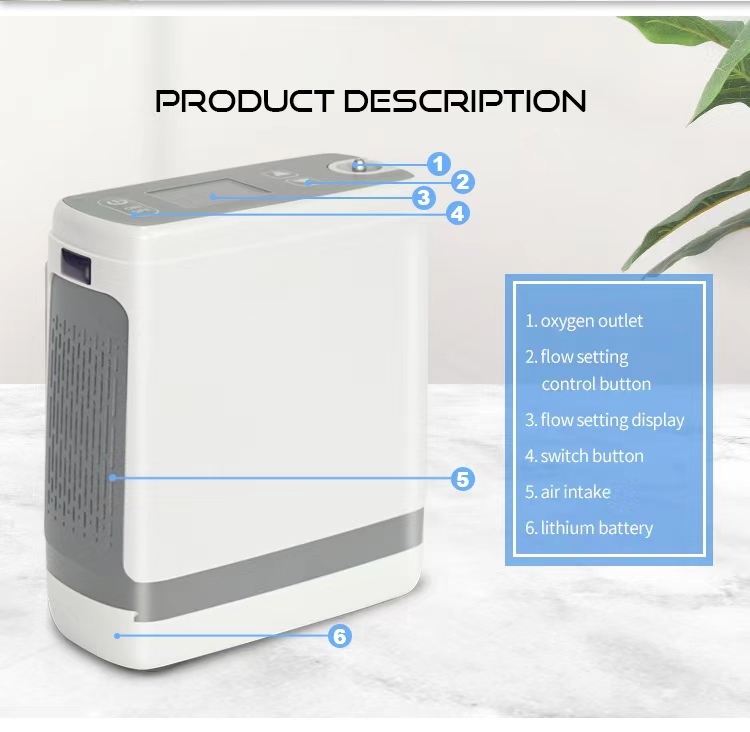
You need a rigorous routine to clean the gross particle filter. This standard operating procedure guarantees optimal machine performance. Follow these exact phases carefully.
Power down the unit completely.
Unplug the power cord from the wall outlet.
Locate the external filter on the housing. You will usually find it on the rear or side panel.
Remove it carefully. Avoid dislodging trapped dust into the machine's intake vent.
Take the filter to a clean sink.
Wash it thoroughly under warm running water.
Use a single drop of mild, neutral dish detergent. Only use soap if the material is heavily soiled.
Avoid heavy soaps or chemical cleaners. They leave a sticky film behind. Residues will restrict crucial airflow permanently.
Rinse the sponge thoroughly.
Continue rinsing until the water runs completely clear.
Place it on a clean, dry paper towel.
Let it air-dry completely in a well-ventilated area.
Implement a clinical best practice. Keep a secondary spare filter on hand. Use it while your primary filter dries. This ensures zero therapy downtime.
Examine the dry filter under good lighting.
Check closely for micro-tears or fraying edges.
Look for crumbling foam material.
Discard it immediately if structural integrity is compromised. Replace it with a new filter.
Your machine's filter is only one part of the system. You must also maintain the external accessories carefully. Bacteria thrive in warm, moist environments. Proper decontamination prevents serious respiratory infections.
Nasal cannulas and extension tubing require regular attention. You should soak them in a specific cleaning solution. Mix one part white vinegar into three parts warm water. This solution neutralizes dangerous bacteria effectively. It achieves this without relying on harsh chemicals. Soak the items for thirty minutes. Rinse them thoroughly using clean, warm water. Hang them vertically to air dry completely.
You must adhere to strict replacement cycles. Replace nasal cannulas every two to four weeks. Replace them immediately after you recover from a respiratory illness. Replace your main extension tubing every one to three months. Plastic degrades over time. Hardened tubing causes skin discomfort and reduces optimal airflow.
Humidifier bottles require daily hygiene protocols. Wash them daily using warm water and mild soap. Empty old water daily to prevent dangerous stagnation. You must understand the severe scratch risk here. Never use abrasive sponges or stiff brushes. They create microscopic scratches inside the plastic. These invisible scratches create ideal breeding grounds for bacterial growth. Always use a soft cloth to clean the interior gently.
Accessory Item | Cleaning Frequency | Cleaning Method | Replacement Cycle |
|---|---|---|---|
Nasal Cannula | Weekly | 1:3 Vinegar to Water Soak | Every 2-4 Weeks |
Extension Tubing | Weekly | 1:3 Vinegar to Water Soak | Every 1-3 Months |
Humidifier Bottle | Daily | Warm Water & Mild Soap | Every 3-6 Months |
You must clearly understand your maintenance boundaries. Patients handle routine cleaning safely. However, complex internal servicing requires professional clinical intervention. Crossing these boundaries voids warranties and creates safety hazards.
Routine patient maintenance happens weekly and monthly. You should wipe the exterior cabinet using a damp cloth. Never use harsh chemical sprays on the housing. Wash the external gross particle filter every single week. You must also manage the device's physical environment. Ensure the unit maintains a six-to-twelve-inch clearance. Keep it away from walls, furniture, and heavy drapes. This gap allows proper thermal ventilation. It prevents the internal compressor from overheating.
Preventative provider maintenance focuses on long-term equipment health. The industry relies on a specific clinical benchmark. Providers service machines every 5,000 hours or every three years. Professional technicians perform highly specialized tasks during these visits. They verify the exact oxygen purity output. They use calibrated oxygen analyzers for this step. They replace the internal HEPA filters and compressor filters. They also assess the chemical health of the molecular sieve beds.
Shared clinical settings require strict between-patient disinfection. Facilities follow rigid protocols before reassigning equipment. They utilize a 1:5 bleach and water solution. They wipe down all exterior surfaces thoroughly. They enforce a strict 10-to-15-minute contact time. This duration kills resilient clinical pathogens effectively. Technicians then wipe the machine down using potable water. This final step removes any lingering corrosive bleach residue.
Oxygen therapy equipment introduces unique household hazards. You must recognize common maintenance mistakes. Preventing these errors ensures both patient safety and property protection.
The Alcohol Fire Hazard: You must explicitly heed this warning. Never use alcohol wipes on the machine. Never use alcohol-based hand sanitizers just prior to handling tubing. Oxygen vigorously accelerates combustion. A small spark near an oxygen-rich environment causes explosive fires. Alcohol vapors linger invisibly on your skin and equipment. Wash your hands using standard soap and water instead.
Bleach on Consumer Plastics: Home users often attempt to sanitize cabinets using straight bleach. We strongly advise against this practice. Concentrated bleach degrades vital rubber seals quickly. It strips the plasticizers from the external housing. The plastic becomes brittle and cracks over time. Always stick to mild soap for external home cleaning.
Ignoring Operational Alarms: Machines utilize alarms to signal critical failures. A continuous alarm demands immediate attention. A persistent red light after the twenty-minute warm-up indicates trouble. Loud grinding noises mean serious mechanical issues. These sounds indicate internal bearing or valve failures. They point to problems far beyond a simple dirty filter. These symptoms trigger an immediate call to technical support. Do not attempt to open the cabinet yourself.
A strict cleaning routine forms the absolute foundation of oxygen therapy safety. You must clean your gross particle filter weekly. You must conduct monthly checks on all vital accessories. These simple habits protect your respiratory health and your equipment.
We strongly encourage you to audit your current filter inventory today. Purchase authentic OEM spare filters immediately. Stock up on reliable replacement cannulas. This preparation ensures you are never caught waiting for a wet filter to dry. Stay proactive to guarantee consistent, pure oxygen delivery every single day.
A: No. Directed heat can warp, melt, or degrade the foam material. You must always let it air dry naturally at room temperature. Applying artificial heat destroys the filter's structural integrity.
A: You should clean it at least once a week. If you live in a dusty environment or a home with shedding pets, increase the frequency. Clean it twice a week to ensure optimal airflow.
A: A dirty filter forces the compressor to work harder, which increases noise. However, loud knocking or grinding sounds indicate failing internal bearings or valves. These severe mechanical failures require immediate professional repair.
A: No. Opening the cabinet voids the manufacturer's warranty immediately. It also exposes you to severe electrical hazards. Internal maintenance must always be done by a certified respiratory technician.


