

Views: 0 Author: Site Editor Publish Time: 2026-06-09 Origin: Site


Traditional oxygen tanks store a finite amount of pressurized gas. An Oxygen Concentrator is completely different. It operates as a self-sustaining medical device. It actively filters and purifies ambient room air. This difference changes everything for patients needing respiratory support. You must understand these internal mechanics. This knowledge is critical for evaluating your treatment options. It helps you decide whether to transition from tanks to concentrators. You can then choose between stationary and portable units more effectively. It also ensures your device matches specific medical prescriptions and lifestyle requirements. We will explore the technical processes behind these machines. You will learn how they operate safely at home. We will cover delivery modes and practical setup tips. This guide prepares you to make an informed upgrade.
Core Technology: Oxygen concentrators use Pressure Swing Adsorption (PSA) and Zeolite sieve beds to strip nitrogen from room air, delivering 90–95% pure oxygen.
Delivery Modes: Devices operate on either Continuous Flow (steady stream, ideal for sleep) or Pulse Dose (breath-activated, maximizes battery life in a portable oxygen concentrator).
Cost vs. Value: While initial hardware costs are higher than tanks, concentrators eliminate recurring refill costs, supply anxiety, and heavy tank deliveries.
Ownership Realities: Successful adoption requires strict adherence to power management, filter maintenance schedules, and specific clearance space for machine cooling.
You might wonder how a machine generates medical-grade air. These devices do not manufacture oxygen out of nowhere. They extract it from the environment. They rely on a process called Pressure Swing Adsorption. This technology provides incredible reliability. Medical professionals trust PSA for long-term respiratory care.
To establish how it works, we must look at the internal hardware. The filtration cycle operates continuously. It strips away unwanted gases. It leaves behind highly concentrated oxygen. This intricate process breaks down into a precise five-step purification cycle.
Intake & Compression: The process starts at the intake valve. The internal compressor draws in ambient room air. Normal room air contains roughly 78% nitrogen and 21% oxygen. The machine compresses this air. It then cools the air to prevent internal overheating.
Nitrogen Adsorption: The cooled air forces its way into a molecular sieve bed. This cylindrical bed contains Zeolite crystals. Zeolite is a highly porous mineral. It acts as a micro-filter. The Zeolite physically traps nitrogen molecules under high pressure. Meanwhile, it allows the smaller oxygen molecules to pass straight through.
Alternating Sieve Beds (The "Swing"): Most medical-grade units utilize a dual-cylinder design. This creates a continuous cycle. While Cylinder A pressurizes and outputs pure oxygen, Cylinder B depressurizes. This depressurization releases the trapped nitrogen. The machine vents this harmless nitrogen back into the room. The system constantly "swings" back and forth between the two cylinders.
Equalization & Storage: The purified oxygen leaves the cylinders. It pushes into a product catch-tank. This tank acts as a buffer. It stabilizes pressure fluctuations from the alternating sieve beds. This ensures a smooth, uninterrupted flow.
Delivery: The final step involves the patient. The machine dispenses pure oxygen to the user. This oxygen reaches 90-95% concentration. It travels through a precise flow meter. You receive it via a nasal cannula or a fitted face mask.
The internal mechanics determine how oxygen leaves the machine. However, patient needs dictate the delivery mode. You must translate these technical delivery methods into a functional choice. Your daily activity levels matter. Your sleep requirements dictate your settings. Manufacturers split these devices into two primary delivery categories.
Continuous flow provides a constant stream of oxygen. The device delivers this uninterrupted flow regardless of your breathing rate. We measure this output in Liters Per Minute (LPM). If you set the dial to 3 LPM, the machine pushes 3 liters every minute continuously.
This method works best for nighttime use. Patients with sleep apnea or shallow nighttime breathing require it. Severe respiratory conditions also demand continuous delivery. These units draw high continuous power. Because of this power draw, continuous flow devices are typically larger. They serve primarily as stationary home units.
Pulse dose offers a smarter approach. It utilizes sensitive pressure sensors. These sensors detect the exact moment of inhalation. The machine then delivers a calibrated "bolus" or puff of oxygen. It gives you oxygen exactly when you breathe in. It pauses delivery when you exhale.
This intelligent delivery suits active daytime use. This specific technology forms the backbone of the modern Portable Oxygen Concentrator. Pausing delivery during exhalation saves enormous amounts of energy. It drastically reduces battery consumption. It also minimizes the physical size of the internal compressor. This allows you to carry the unit over your shoulder.
Delivery Mode | How It Works | Best Suited For | Device Type |
|---|---|---|---|
Continuous Flow | Uninterrupted, steady stream measured in LPM. | Sleep apnea, shallow breathing, severe COPD. | Stationary home units (larger, heavier). |
Pulse Dose | Breath-activated bolus (puff) on inhalation. | Daytime mobility, travel, active lifestyles. | Portable units (compact, battery-powered). |
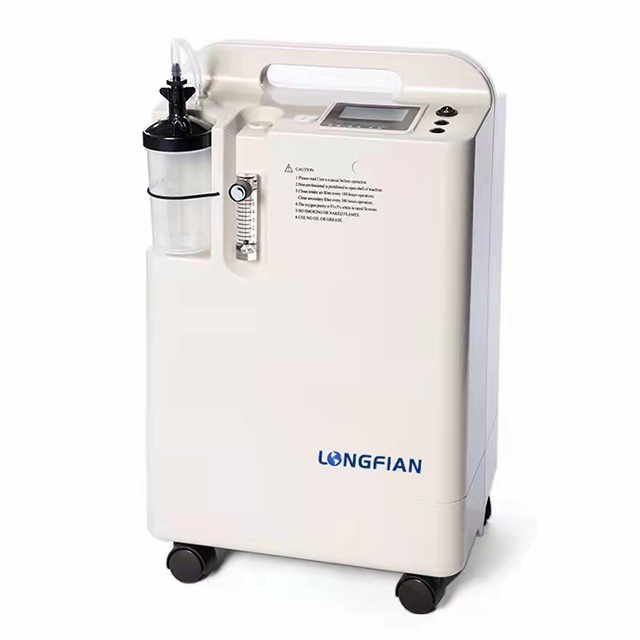
Patients often struggle with legacy equipment. Traditional oxygen tanks create unique challenges. Addressing your upgrade intent requires looking at risks and benefits. We must compare the old solution against modern concentrators. Upgrading transforms your daily routine.
First, consider supply reliability. Tanks run empty. You must constantly monitor their gauges. Concentrators offer infinite oxygen generation. They generate oxygen as long as they have power. This eliminates "tank anxiety". You no longer depend on weekly delivery services. You reclaim control over your respiratory schedule.
Next, evaluate the safety profile. Tanks store highly pressurized pure oxygen. This carries a distinct risk of combustion. Ruptured tanks can cause explosive decompression. Concentrators generate oxygen on demand. They operate at very low pressure. This fundamental difference drastically reduces household hazards.
Mobility and independence improve significantly. Standard tanks feel heavy. They prove cumbersome to maneuver around the house. They limit social outings. A modern portable unit changes this dynamic. It weighs as little as 3 to 5 pounds. Furthermore, the FAA approves these devices for commercial air travel. You can finally visit family across the country.
However, you must acknowledge hidden trade-offs. Concentrators depend entirely on electrical power. You require battery backups or generators for neighborhood power outages. They also generate mechanical noise. You will hear a steady compressor hum. Finally, they carry upfront hardware costs. You pay more initially, even though you eliminate recurring refill fees.
Selecting the right machine requires careful analysis. You need a hard-metric buying matrix. Do not rely on marketing fluff or flashy brochures. You must shortlist products based on strict medical and lifestyle criteria. The wrong choice can compromise your therapy.
Prescription Matching (LPM & Purity): Your doctor writes a specific prescription. The device's maximum output must comfortably exceed this prescribed Liters Per Minute. Do not buy a 3 LPM machine if your prescription requires 3 LPM. Aim for a 5 LPM machine. This provides a safety buffer. Additionally, ensure the unit guarantees 90%+ oxygen purity at its absolute highest setting.
Noise Footprint: Compressors generate physical noise. You must evaluate decibel (dB) ratings. Stationary home units sit near your bed. They should ideally operate under 45 dB. This decibel level mimics a quiet library. Anything louder can cause severe sleep disruption.
Portability & Battery ROI (For Portable Units): Assess the weight-to-battery-life ratio. A lighter machine often means a smaller battery. Look for hot-swappable battery systems. This allows you to swap batteries without turning off the machine. It proves essential for extended travel without wall outlet access.
Built-in Safety Sensors: Never compromise on safety alerts. Shortlist devices equipped with Oxygen Purity Indicators (OPI). The machine must have audible alarms. These alarms should alert you to power failures. They must warn you of low oxygen concentration. They should also trigger if flow blockages occur in the tubing.
Owning advanced medical equipment demands responsibility. You build trustworthiness by acknowledging operational realities. Daily use requires strict maintenance requirements. You must ensure safety compliance in your home. A poorly maintained machine delivers substandard therapy.
Environmental setup dictates performance. Concentrators pull in room air. They require adequate ventilation to prevent overheating. Maintain 1 to 2 feet of clearance around the machine. Keep it away from walls, heavy drapery, and furniture. A suffocated machine will overheat and trigger an automatic shutdown.
Power constraints cause frequent issues. Home units draw significant wattage. They must plug directly into a dedicated wall outlet. Do not use extension cords. Never plug them into shared power strips. These practices easily lead to tripped electrical breakers. A dedicated outlet ensures consistent, safe power delivery.
You must follow humidifier bottle rules carefully. High flows cause nasal dryness. If your prescription exceeds 2 to 3 LPM, a humidifier bottle becomes necessary. Use only pure distilled water. Tap water causes dangerous mineral buildup. Clean the bottle every three days. Wash it with a mild vinegar and water solution. This specific step prevents dangerous bacterial growth.
Filter maintenance keeps the compressor alive. Gross particle filters guard the intake. They typically require weekly washing. Use mild soap and ensure complete air-drying before reinstallation. Wet filters destroy internal motors. The internal molecular sieve beds degrade over time. These usually require professional replacement every 1 to 3 years.
Fire safety demands total strictness. Pure oxygen accelerates flammability instantly. Keep the unit and all tubing at least 10 feet away from open flames. Avoid gas stoves and fireplaces. Furthermore, avoid using petroleum-based lotions on your face. Products like Vaseline interact dangerously with pure oxygen. Use water-based lubricants instead.
Component | Maintenance Task | Frequency |
|---|---|---|
Humidifier Bottle | Wash with vinegar/water solution. Refill with distilled water. | Every 3 Days |
Gross Particle Filter | Wash with mild soap. Air-dry completely. | Weekly |
Nasal Cannula | Wipe down. Replace to prevent infection. | Replace every 2-4 weeks |
Molecular Sieve Beds | Professional service and concentration testing. | Every 1 to 3 Years |
An oxygen concentrator represents a significant investment in your well-being. It delivers unmatched mobility and improved daily safety. You gain long-term convenience compared to managing cumbersome traditional tanks. You eliminate delivery anxiety and heavy lifting. You reclaim your independence through advanced filtration technology.
Take action before making a purchase. Secure an updated prescription from your physician. Ensure this prescription details your exact LPM requirements. Clarify your specific day and night usage needs. Once you have this documentation, consult a certified medical equipment provider. They will help you finalize the ideal brand and model selection for your lifestyle.
A: No. It only draws a fraction of the room's air. Normal room ventilation instantly replenishes the ambient oxygen levels. You will not suffocate or lower the room's overall oxygen concentration. It remains perfectly safe for others sharing the same space.
A: Most modern units are equipped with thermal protection and can run continuously. However, stationary models are highly recommended for 24/7 heavy use. Continuous reliance on a portable unit can cause premature wear on its smaller compressor. Always keep a stationary backup at home.
A: Only if the device supports Continuous Flow or features highly sensitive sleep-mode Pulse Dose technology. These special sensors accurately detect shallow nighttime breathing. Standard pulse dose machines might miss your breaths while asleep. Always verify sleep compatibility with your doctor.


